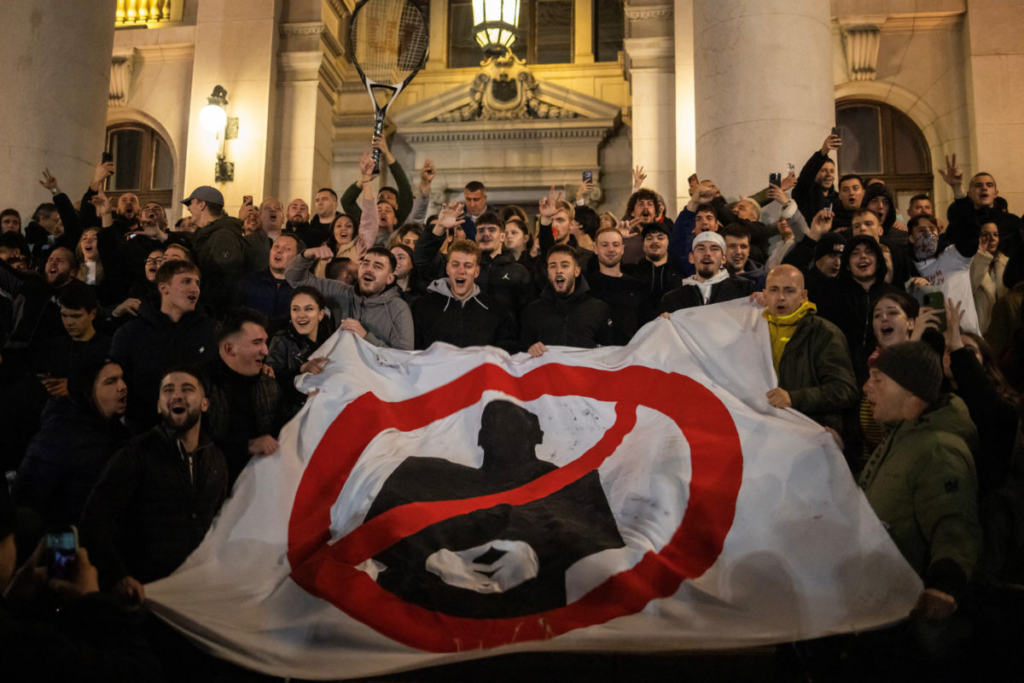
Serbia’s student-led movement has succeeded in winning a historic election victory, and toppling an autocrat who has been in power nearly 15 years.
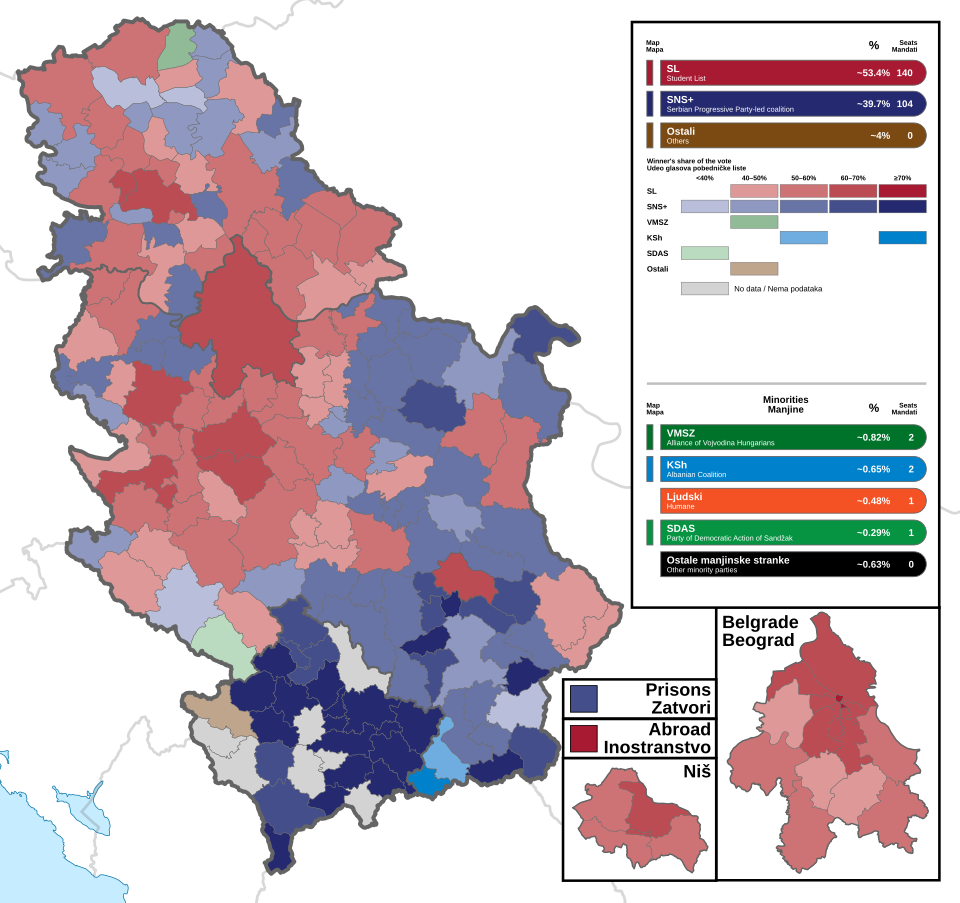
Last Sunday, former Serbian president Aleksandar Vučić conceded that his right-wing Serbian Progressive Party (also known as the SNS) had officially lost the election, claiming that “the Student List has won”.
This is a game-changing result. The newly formed Student List dominated Serbia’s parliamentary elections, securing a record 2.2 million votes (52.65% of popular vote) to form an absolute majority government (taking 140 of 250 Parliamentary seats).
This victory is significant because not only is The Student List an unconventional political party founded by students and run without a central leader, but it somehow managed to translate public anger and street mobilization into political legitimacy and electoral success.
But perhaps more interesting is the Student List’s story. How did a leaderless coalition founded by students manage to win Serbia’s 2026 parliamentary elections?
A Brief History: Loosening Vučić’s Iron Grip on Serbia
From 2012 to 2026, the right-wing Serbian Progressive Party (“Srpska napredna stranka” or SNS) dominated Serbian politics through a monopoly of the media ecosystem, strong electoral organization, and a political strategy centred on one man: Aleksandar Vučić. Throughout his tenure, Vučić’s government was plagued by allegations of electoral fraud, targeting minority groups, weaponizing government institutions, media manipulation and propaganda, and political corruption.
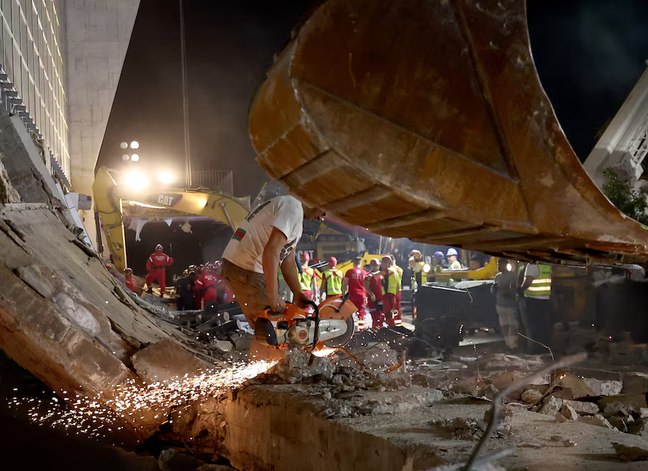
Anger at the regime peaked with the Novi Sad train station disaster on 1 November 2024, where a recently-renovated roof collapsed, killing 16 people. Thousands of Serbians took to the streets in protest – blaming the government for the disaster, claiming political corruption ruined the procurement process and lowered building standards to make the tragedy inevitable, and criticizing the lack of accountability for any criminal wrongdoing. (As of today, no one has been held accountable for the collapse).
The intense government crackdown on Serbian protestors, including widespread arrests and the use of excessive force according to leading human rights groups, prompted the creation of the Student List by the Students in Blockade coalition. Calling out the government for failing to meet their demands for accountability, the Student List built support over the past few years to include academics, working professionals, public figures, and major opposition parties.
Its program, the 11 point “Student Plan” centred on policies to eliminate corruption and tackle organized crime, as well as social issues including housing, education, and healthcare, seems to have resonated with voters.
What Can Canadian Students Learn from the Balkan Earthquake?
There are several lessons that students across Canada can take from this.
- Success Depends on Translating Negative Emotions into a Positive Future – First, successful movements are not only fuelled on legitimate grievances, but they are able to use public frustration and anger constructively. Following the 2024 Novi Sad train station disaster, Serbians were furious. Students were able to come together and found the Student List as a way to channel public frustrations towards a constructive outcome. At the time, this was clearly explained: the Student List wanted those responsible for the disaster to be held accountable. The government’s refusal and subsequent violent crackdowns on protestors only added more fuel to the fire, which the Student List used to build bridges across society as well as articulate a new vision for Serbian (as shared in their 11 point plan).
- Success Requires Buy-In From Across Society – Second, one strategy for confronting an authoritarian government (with a firm grip on national media and a steady stream of propaganda) is to have a “leaderless movement”. The Student List intentionally chose to not focus on a charismatic, central leader as a way to avoid smear attempts by Vučić’s government. Instead unity needs to come from a common mission, and buy-in must come from across society. This is perhaps best demonstrated in some of the Student List’s leading candidates: cardiologist and Novi Sad University professor of medicine, Ilija Srdanovic; former central bank governor Dejan Soskic; and Radomir Sajcic, a professor at Belgrade University.
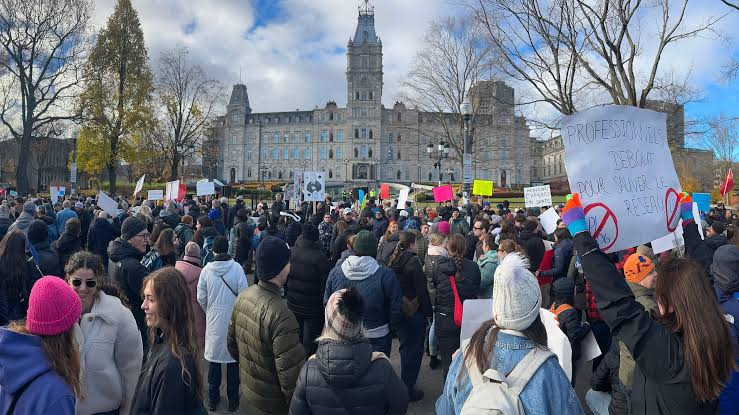
In Canada, student unions have been able to mobilize successfully in Get Out the Vote campaigns, as well as in recent protests against Ontario’s Bill 33 and Quebec’s la Loi 2. But these movements have largely failed to extend beyond students into other powerful groups in society. Serbia’s Student List provides a fantastic example and potential blueprint for how student unions across Canada can effectively mobilize to lead to groundbreaking policy change – and shake the foundations of a country while doing so.